 en
en  de
de it
it fr
fr es
es ru
ru jp
jp ro
ro
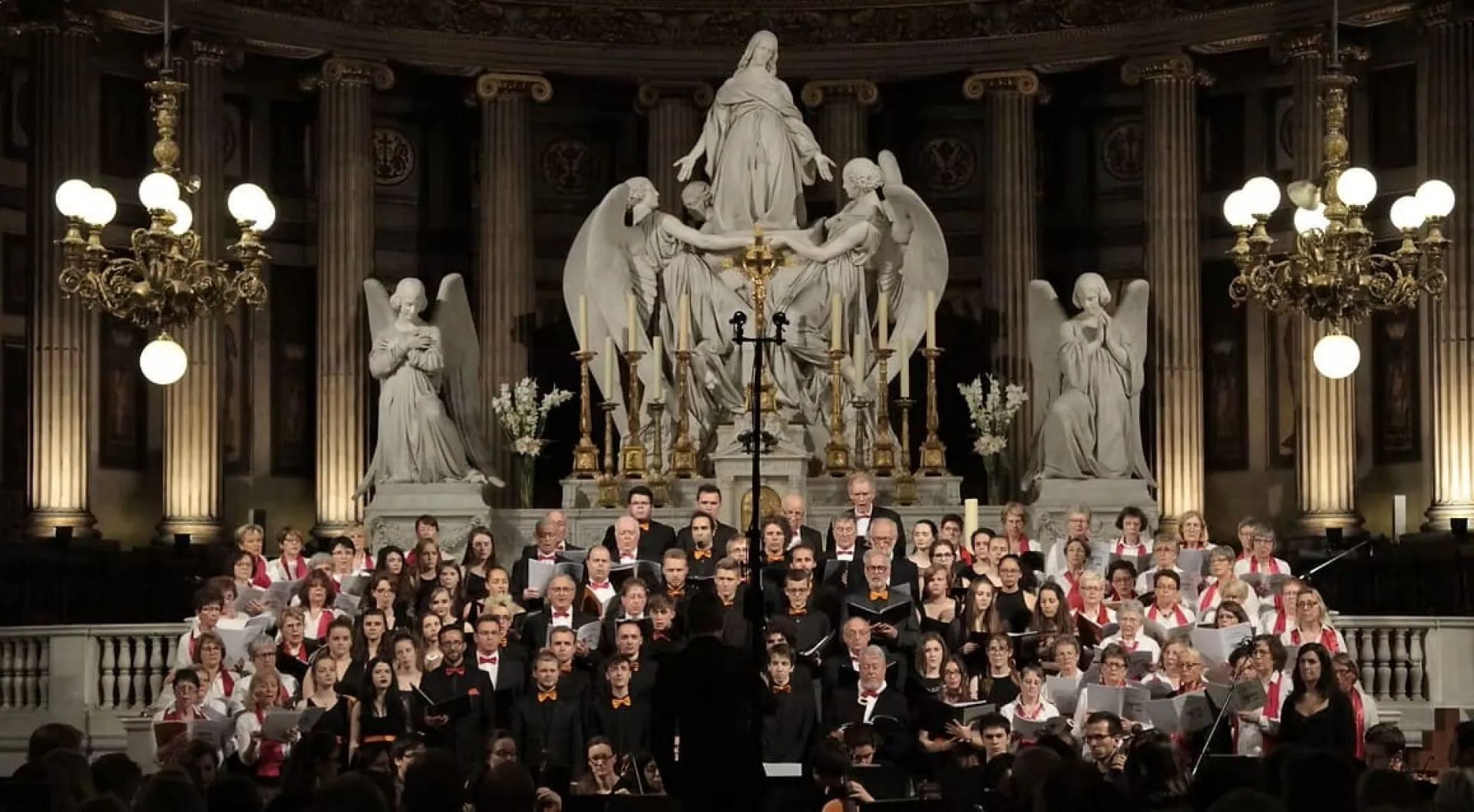
 Church of the Madeleine
 Fri 12 Jun 2026 - Fri 27 Nov 2026
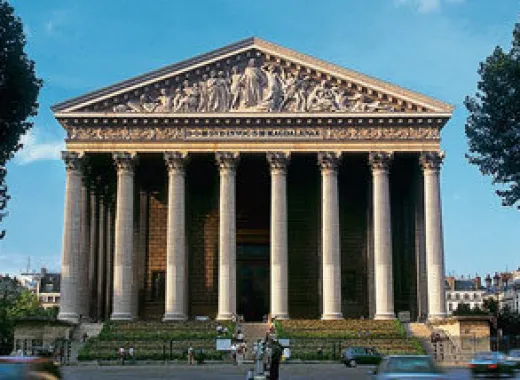
The parish of La Madeleine wishes to ensure a visible presence in the heart of Paris and to be attentive to our contemporaries. We speak of the base to describe the stone massifs that form the foundation of the church. But this base is also made of living stones made up of associations attentive to the wounded of life such as Ozanam Madeleine, the Espace Formation Informatique. The Foyer de la Madeleine serves more than three hundred meals every day at lunchtime with the aim of encouraging people to meet people who work or spend time in the neighbourhood.







- Venues

- This week
- Opera and Ballet
- Classical Concerts
- Philharmonie De Paris
- House of Radio and Music
- La Seine Musicale
- Salle Gaveau
- Sainte Chapelle Paris Concerts
- Church of Saint-Germain-des-Prés Paris Concerts
- Church of Saint Sulpice Paris Concerts
- Church of the Madeleine Paris Concerts
- Church of St. Eustache Paris Concerts
- Saint-Julien-le-Pauvre Church Paris Concerts
- Pop/Rock Concerts
- Cabaret
- Sport
- Sightseeing Cruises and Tours



 RM EUROPA TICKET GmbH
 Call now
 Book now